Shownotes
If you don't want the movie spoiled, watch THE KILLING HOUR on Tubi before listening!
*****
This episode was originally published on Patreon on November 3, 2025.
On this fourth Friday the 13th the Series Spectacular episode, we're focusing on ARMAND MASTRIOANNI who directed "Better Off Dead" and "Mesmer's Bauble" as well as eight episodes of the show we've yet to cover.
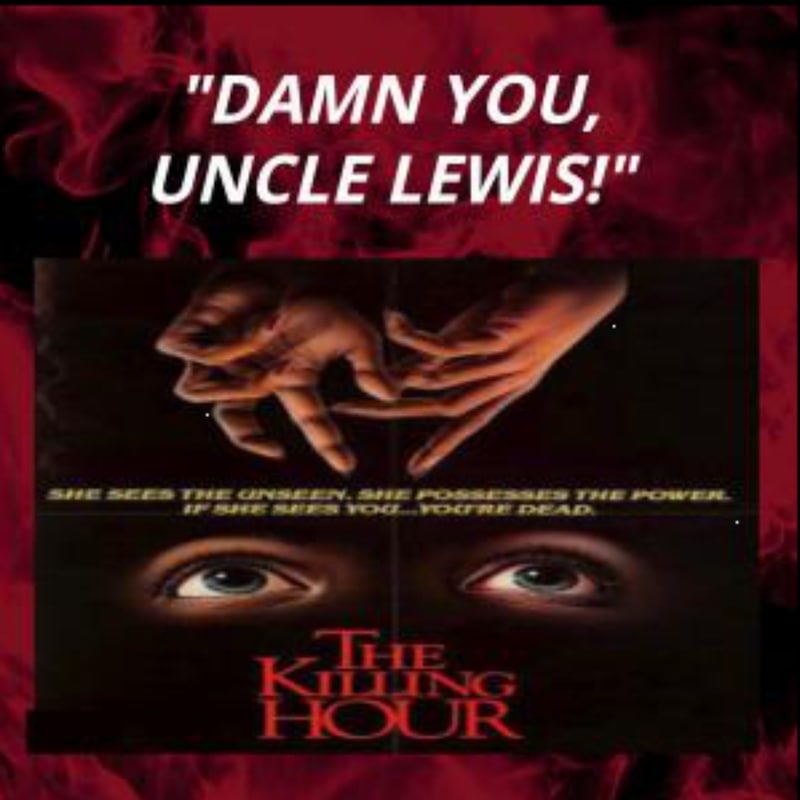
While he's most famous for discovering Tom Hanks in the 1980 wedding night slasher HE KNOWS YOU'RE ALONE, we've chosen a film for which he's infamous - the 1982 Video Nasty THE KILLING HOUR aka THE CLAIRVOYANT.
While a serial killer known as "The Handcuff Killer" is terrorizing New York City, an art student discovers she's been psychically drawing the images of the murders as they occur.
Will her visions stop the killer in his tracks? Or will they get her killed?
Your hosts Patrick, Maya and Trae will be on hand to dispense insight and snark as they take shine a spotlight on Amand Mastrioanni and THE KILLING HOUR.
*****
THE KILLING HOUR aka THE CLAIRVOYANT was directed by Armand Mastrioanni, written by Armand Mastrioanni, Antone Pagan and B. Jonathan Ringkamp and stars Perry King, Norman Parker and Elizabeth Kemp.
This podcast uses the following third-party services for analysis:
Podtrac - https://analytics.podtrac.com/privacy-policy-gdrp
Transcripts
Oh, hello.
Speaker A:Come in, come in, come in.
Speaker A:Do come in out of the terrible weather.
Speaker A:Oh, welcome.
Speaker A:Welcome to my very curious curio shop.
Speaker A:Although I hate to inform you the shop is closed for tonight because there's a.
Speaker A:Well, it's a rather special evening.
Speaker A:It's our monthly meeting of sorts.
Speaker A:So unless you're here for the meeting, I'm going to have to ask you to leave.
Speaker A:The nature of the meeting, you ask.
Speaker A:Let me put it to you this way.
Speaker A:Sometimes Uncle Lewis does dreadful things.
Speaker A:Welcome to Damn you Uncle Lewis, the Friday the 13th the series retrospective podcast.
Speaker A:Hello again, everyone, and welcome to another episode of Damn you Uncle Louis, the Friday the 13th the series of retrospective podcast.
Speaker A:But not tonight, because we are in the midst of doing a series of Friday the 13th the series spectacular episode in which we explore the films of people who are tied to the Friday the 13th series.
Speaker A:People who wrote for it, who directed.
Speaker A:If you listen to scream queens, it's like a Friday the 13th spectacular, but for Friday the 13th the series.
Speaker A:If you don't know what you're talking about, I can't possibly help you.
Speaker A:Anyway, this is the tide you over until we go public in January.
Speaker A:So this is the last of them, but we'll talk about that later because we got things to talk about, we got a movie to do and we have two fabulous people waiting in the wings.
Speaker A:I'm not going to introduce them, so instead we're going to introduce Trade Dean and Maya Murphy.
Speaker A:My favorite people in the whole world.
Speaker B:Hey Patrick.
Speaker B:Hey Maya.
Speaker C:Hey Patrick.
Speaker C:Hey Trey.
Speaker C:Hi.
Speaker A:Everybody dip it in the naughty closet.
Speaker A:Cuz Maya kept counting me in wrong for the show and making me laugh.
Speaker A:So it's been like took like seven takes.
Speaker A:Let's dip it in the n it.
Speaker C:When my co host make me laugh, it's the worst.
Speaker B:It's.
Speaker A:It's shameful, it's disgusting.
Speaker A:And you know, it sounded like you guys had a great time in the naughty closet.
Speaker A:Anyway, I don't want to.
Speaker A:I don't want to know.
Speaker A:I don't want to know.
Speaker A:I don't want.
Speaker A:I don't know.
Speaker A:I don't ask any questions.
Speaker A:Except this one.
Speaker A:How are you both trading?
Speaker A:How are you?
Speaker A:What's going on?
Speaker B:Doing well.
Speaker B:Not much.
Speaker B:Just get ready for Halloween.
Speaker B:Halloween's coming up.
Speaker B:Oh, yeah.
Speaker A:Oh, by the way, happy Canadian Thanksgiving.
Speaker C:Hey.
Speaker A:Yay.
Speaker B:Hey, go celebrate in America town.
Speaker A:Yes.
Speaker A:Wherever that is.
Speaker B:Wherever that is.
Speaker C:Yeah.
Speaker A:Oh, the other thing, there's other things that happened on the calendar is that since our last show is that we had the oh, gosh.
Speaker A:I think it's like the 38th anniversary of the premiere of Friday the 13th, the series I probably have to date wrong.
Speaker A:But that's okay.
Speaker A:We'll figure it out, fix and post.
Speaker A:But yeah, so it does.
Speaker A:Yay.
Speaker C:I'm technically older than the show.
Speaker C:Yay.
Speaker A:Yay.
Speaker A:Yeah, you could be on the shelves because you're an antique and you're evil.
Speaker C:I am.
Speaker C:I am both of those things.
Speaker A:Both of those things are compliment in their own weird way.
Speaker A:Okay?
Speaker A:So here, here, here, here, here.
Speaker C:This Friday, you didn't ask how I am.
Speaker C:How am I?
Speaker A:I forgot.
Speaker A:You know what?
Speaker A:I told you how you are.
Speaker A:You're naughty.
Speaker A:You're in the naughty closet.
Speaker A:You're evil and you're old.
Speaker A:Please, how old?
Speaker A:How are you?
Speaker C:I'm those things all the time.
Speaker C:I'm fantastic.
Speaker C:I saw Rocky Horror outside at a cemetery.
Speaker C:It was fantastic.
Speaker A:I love Nice.
Speaker A:Nice.
Speaker C:I dressed up as riff raff because I'm antique and I'm evil and you're riff rap.
Speaker A:You are space.
Speaker B:You are.
Speaker A:You're the one who ruins everything.
Speaker A:You ruin the party.
Speaker A:You come in and shoot everybody.
Speaker C:And I want to turn my hair into a banana, but it's not long enough.
Speaker B:Okay.
Speaker A:Friday the 13th.
Speaker A:This is spectacular.
Speaker A:Now called to order.
Speaker A:The person we are focusing on today is the director, Armand Mastriani.
Speaker A:Now, Armand Mastriani, he wound up doing 10 episodes of Friday the 13th, the series.
Speaker A:Although we've only seen two up till this point.
Speaker A:And they were, you know what?
Speaker A:I know what they are.
Speaker A:But do you guys know what they are?
Speaker A:Maya Murphy traded.
Speaker C:Absolutely.
Speaker C:Because listening to Mickey say bauble is the best thing in the world.
Speaker A:That's right.
Speaker C:And the other one was the super violent one in a hospital.
Speaker C:What was that called?
Speaker C:Where did the liquid in the brains.
Speaker A:No, that's much of hospital.
Speaker A:The trade, not trace.
Speaker A:Trey's trying to answer.
Speaker B:No, I don't.
Speaker C:Oh, you naughty closet.
Speaker C:Both of us.
Speaker A:It was one where people died horribly and there was some weird old thing that people kill people.
Speaker A:Yeah, it was better off dead.
Speaker C:The one with the.
Speaker A:The.
Speaker A:The syringe that sucked at the thing.
Speaker A:And Mickey's girlfriend got kidnapped and they put her in the thing and Mickey's brain got sucked out.
Speaker A:The guy trying to save her.
Speaker A:It was the Mad Scientist episode.
Speaker A:Yeah, yeah, with the hooker and the monkey.
Speaker B:The hooker and the mug.
Speaker B:Of course, that episode.
Speaker B:How could we forget that one?
Speaker A:Oh, the hooker and the monkey episode.
Speaker A:Yes, of course.
Speaker A:Yes, of course.
Speaker A:Both of which we both enjoyed.
Speaker A:Remember?
Speaker A:Meyer really loved that one.
Speaker A:And we, we all loved Business Bubble.
Speaker A:So he's.
Speaker A:He's got some.
Speaker A:He's got some credit.
Speaker A:Armand Mashiani, born in Brooklyn.
Speaker A:Yeah, Brooklyn House.
Speaker A:And being mostly a TV director, highly successful one, still alive, still working.
Speaker A:He's got four miniseries in the works right now.
Speaker A:He does lots of TV movies, lots of one off of shows.
Speaker A: ut working consistently since: Speaker A:But for horror movie fans, his first movie, he hit Jack Park Right of the Gate.
Speaker A: did He Knows yous're alone in: Speaker B:That was.
Speaker B:That was a fun one.
Speaker B:That was.
Speaker B:That was a good one.
Speaker A:I debated, do we talk about that movie?
Speaker A:Because eventually I voted no.
Speaker A:It's a perfectly fine movie.
Speaker A:It's a.
Speaker A:It's a shameless Halloween clone.
Speaker A:Shameless, but well done.
Speaker A:And with excellent actors, a lot of which, many of whom have gone on to fame, not including, not, not just Tom Hanks.
Speaker A:It was his first film.
Speaker A:He discovered.
Speaker A:This guy, discovered Tom Hanks.
Speaker A:But most of the cast has had an extensive career.
Speaker A:Solid theater people and soap opera people.
Speaker A:But I think a lot of people already know that movie.
Speaker A:And Maya's not a slasher fan.
Speaker A:So I want to see what else has this guy done?
Speaker A:What else has he done?
Speaker A:So what I landed on was his follow up film, which is the Clairvoyant, also known as the Killing Hour.
Speaker A:Hello, this is Paul McCormick and the show's called Talk Back.
Speaker A:You know me, but you don't know where I am.
Speaker A:Well, tell us your name, sir.
Speaker A:You've seen my work, Mac.
Speaker A:From here on, everybody's mouth is shut.
Speaker A:No leaks.
Speaker A:I don't want that bastard killing for publicity, you hear me?
Speaker A:Don't fuck with me, you cunt.
Speaker A:Next time I come back here, you.
Speaker C:Better be nice to me.
Speaker A:Otherwise I'm gonna fucking hurt you.
Speaker C:You understand?
Speaker A:I want the girl kept out of this.
Speaker A:Don't put her on the show.
Speaker A:You put her on the show, the deal's off.
Speaker C:I saw the drawings.
Speaker C:For now.
Speaker A:I think that you should ask for a transfer.
Speaker A:He's in 4e.
Speaker A:It's now 10 minutes of 10.
Speaker A:If you're not here in two minutes, you'll find her crushed under the wheels of the truck.
Speaker A:Handcuffed.
Speaker A:Late last night, the Handcuff killer attempted a hit and run on Miss Vernon Night.
Speaker C:You understand?
Speaker A:What is going on here?
Speaker A:Damn it.
Speaker A:What's the matter with you?
Speaker A:So if you would like to play along at home and watch the Killing Hour before we go any further.
Speaker A:Lucky for you, you can do that on Tubi.
Speaker A:Just a word of warning.
Speaker A:Now, the killing hour is a whodunit.
Speaker A:So for us to have a conversation about the movie, we are going to have to spoil the out of it.
Speaker A:So if you don't want the ending revealed, go watch the movie first.
Speaker A:Over on Tubi.
Speaker A:The link is down there in the show notes.
Speaker A:And this one was a video Nasty, which I did not know until today.
Speaker B:Wow, really?
Speaker B:Oh, okay, I can see that.
Speaker A:Trey, what's the video Nasty?
Speaker B:Video Nasty was in the UK in the 80s.
Speaker B:They really, they, they banned a bunch of horror movies so you couldn't get them at all.
Speaker B:Texas Chainsaw Massacre was one of them and they called them the Video Nasties.
Speaker B:And I don't know exactly.
Speaker B:Like, if they were completely banned, no one could see them in the uk.
Speaker B:Do you know, Patrick?
Speaker A:Were illegal.
Speaker B:Illegal, illegal.
Speaker A:It was illegal to distribute them.
Speaker A:Okay.
Speaker C:I mean, the extended final scene in, in this makes it really easy to ban.
Speaker C:Yeah, yeah, that's Give me Grizzly murders all day.
Speaker C:I would rather watch any the goriest, simplest slasher in the world than that scene.
Speaker A:I get that.
Speaker A:I get that.
Speaker A:I totally understand that.
Speaker A:But you know, I made my call.
Speaker A:I made my call and I, I, I still stand by a decision because I thought, I think there's a lot to talk about.
Speaker A:There's lots of good stuff going on here.
Speaker B:Oh, there is.
Speaker A:But anyway, we got ahead of ourselves.
Speaker A:Trey Dean, you did it last time.
Speaker A:Maya Murphy, what is the plot of the clairvoyant slash?
Speaker A:The killing?
Speaker B:Erin?
Speaker C:There is a woman who is an artist and clairvoyancy runs in her family.
Speaker C:And sometimes it takes over her hand when she's drawing and she sees things, particularly recent murders.
Speaker C:When she starts drawing murders again, she goes to the police and befriends a detective and for some reason also his newscaster buddy.
Speaker C:On again, off again buddy, to try and figure out what's going on here.
Speaker A:Trey, anything you want to add that.
Speaker B:No, it's.
Speaker B:This feels almost like a male.
Speaker B:Well, the light, the eyes of Laura Mars.
Speaker B:Almost very similar.
Speaker A:Very much so.
Speaker A:Very much.
Speaker A:I was going to say that this movie is.
Speaker A:It's not so much a horror movie.
Speaker A:It's very much a gritty crime thriller of the era with some horror elements.
Speaker A:Don't let the clairvoyant psychic vision thing fool you.
Speaker A:You're not getting a horror movie.
Speaker A:It is closer to eyes of Laura Morris or any number.
Speaker A:The woman in danger having psychic visions of her own killer was very popular in the late 70s early days.
Speaker A:And this is absolutely cashing in on that.
Speaker A:And since nobody Asked.
Speaker A:Here's my summary.
Speaker A:New York City is being terrorized by a brand new serial killer known as the Handcuffed Killer.
Speaker A:People keep showing up dead, handcuffed to weird objects, dying in bizarre ways and the police have no clues.
Speaker A:Meanwhile, there's a young art student who turns out has psychic abilities which manifest through her drawings.
Speaker A:And it turns out she's drawing images of the killer and his killing spree.
Speaker A:Will her vision solve the crime or will they get her killed?
Speaker A:The killing hour And I liked how gritty it was.
Speaker A:Like since it's shot in New York City and it's.
Speaker A:They use the city really well in this movie.
Speaker A:One of the things that I really liked about how they use the city is that I have a real stickler being a New York native myself.
Speaker A:I'm a real stickler with these shoot on in New York City and people are going places and you're going.
Speaker A:Your.
Speaker A:Your path makes no sense.
Speaker A:I'm thinking famously on the town.
Speaker A:The 90s.
Speaker A:40 miles knows exactly what I'm talking about in one musical number.
Speaker A:They are all over Manhattan in like up, down, down, up, down, down.
Speaker A:Like it would take hours, like days to do the path that they're doing.
Speaker A:But this all made sense.
Speaker A:Everything checked.
Speaker A:I always knew where we were in town, which is neat, a neat trick because it's.
Speaker A:It's 40 year old movie.
Speaker C:I really liked our cop precinct.
Speaker C:None of the cops were neat stereotypes.
Speaker C:They were all different.
Speaker C:The one who speaks Spanish is black.
Speaker C:And I like our precinct captain who also, also for the nerds playing along at home is Baron Harkonnen in David Lynch's Dune.
Speaker C:I went stalking.
Speaker C:I was stalking a little.
Speaker A:Yeah.
Speaker C:I was like wait a minute.
Speaker C:He's fantastic and his resume is amazing.
Speaker C:But I.
Speaker C:Our lead detective is in a bit of trouble because he's been spending some of his on call shifts at the comedy club trying to make it as a stand up impression comic.
Speaker C:We are treated to Woody Allen and George Burns and maybe a third guy, Humphrey Bogart.
Speaker C:Humphry Bogart.
Speaker C:I have no idea why this subplots in the movie.
Speaker C:It makes it more gritty and grounded that like being a cop can't be fun.
Speaker C:You gotta find fun somewhere.
Speaker C:But he's getting in trouble for it at work and his boss is right to be angry with him.
Speaker C:And he's also Baron Harkonnen, so that's cool.
Speaker A:Oh, something I just want to throw out right now that I think is really interesting which I just found out today that was in Armand Mastroianna's.
Speaker A:I'm the biography is that William Freakin helped shape this movie.
Speaker A:It didn't say how and I couldn't find any information of what that meant.
Speaker A:William Freaking who directed the exercise.
Speaker C:Yeah, yeah, yeah, yeah.
Speaker A:It feels like.
Speaker A:It feels like that.
Speaker A:It's got that same kind of a feel to it.
Speaker A:Not well.
Speaker B:Didn't Freakin also direct Cruising?
Speaker A:Yes, it feels like Cruising too.
Speaker A:It's like eyes of Laura bars met Cruising.
Speaker A:It gets this movie.
Speaker A:Yeah.
Speaker A:Circling back to something Maya said.
Speaker A:Not just.
Speaker A:Not just the.
Speaker A:Not just your guy who played the lieutenant, the whole cop crew.
Speaker A:These are incredible character actors.
Speaker A:These are seasoned veteran actors.
Speaker A:They all have hundreds and hundreds of credits and like they know what they're doing, as does everybody.
Speaker A:This movie, you guys don't know because you're not as old as I am, but it's.
Speaker A:It's a movie that's top to bottom.
Speaker A:Oh, that guy.
Speaker A:Oh, that guy, that guy, that guy.
Speaker A:Even the people in the background.
Speaker A:Oh, that person did tons of commercials.
Speaker A:I know her.
Speaker A:I know that guy over there.
Speaker A:You, everybody in this movie.
Speaker A:And this is one of the things that I like that when.
Speaker A:When.
Speaker A:What happens a lot with this guy's movies as well is that John Carpenter will offer stack his movies with his stable of actors.
Speaker A:So you've got character actors in every single tidy role from top to bottom who know the craft, know what they're doing.
Speaker A:And he's got that here.
Speaker A:Like these are all trained theater people.
Speaker A:And this really wonderful things happening in tiny, tiny little roles.
Speaker A:Like the little.
Speaker A:The crazy lady at the police station wanting to get arrested.
Speaker A:Please arrest me.
Speaker C:I was, I was transfixed by her.
Speaker C:I wish I did not stalk her because I'm Laz.
Speaker C:But like absolutely.
Speaker C:It adds to the.
Speaker C:The groundedness of the movie.
Speaker C:Just it.
Speaker C:Everything as a has a detailed texture.
Speaker A:The big star of the movie is Perry King.
Speaker A:Perry King.
Speaker A:Who's Perry King?
Speaker B:Perry King is an actor in the 80s who was on Riptide.
Speaker B:I believe he was just in every made for TV movie.
Speaker A:Ding dong Patrick from the future here.
Speaker A:When we recorded this, I forgot the most important tea that I meant to bring up.
Speaker A:I had a big letters on my notes.
Speaker A:Do not forget to talk about this.
Speaker A:And I forgot to talk about it.
Speaker A:So Trey, we.
Speaker A:When I asked you who's Perry King?
Speaker A:Yes, you asked.
Speaker A:Which just happened for the listeners.
Speaker A:So I don't know why we're counting it, but I'm recounting it for you so you know where I'm coming from.
Speaker A:What do you remember what you said off.
Speaker A:Off camera when I said, who's Perry King?
Speaker B:Oh, oh, no, no, no.
Speaker B:I forgot what I said.
Speaker B:But all I know is that he can get it.
Speaker B:He's.
Speaker B:He's pretty hot.
Speaker A:He said you would.
Speaker A:People would know him from the show Riptide.
Speaker A:Oh, Riptide.
Speaker A:However, the thing is, back in the 70s, throughout the 70s, Perry King was a movie star.
Speaker A:Movie star.
Speaker A:He was primarily doing movies.
Speaker A:I have to look what they are because, I mean, if you're old, you know who they are.
Speaker C:Well, we're.
Speaker A:We're both old.
Speaker A:We're leaving my.
Speaker A:Out of this because she wasn't available.
Speaker A:But anyway, he was in the possession of Joel Delaney.
Speaker A:He was in Lords of Flatbush, which was huge.
Speaker A:Mandingo, which was huge and dirty because it was about big black penises.
Speaker A:And everybody loves big black penises, especially nowadays.
Speaker A:Lipstick with Margot Hemingway.
Speaker A:Choir boys.
Speaker A:You did a movie with Andy Rudy, blah, blah.
Speaker A: That all of a sudden, in: Speaker A: movie role stopped dead after: Speaker B:Did he play a gay character.
Speaker A: In the year: Speaker A:Perry King did the TV movie A Different Story with Meg Foster, in which he played a homosexual character.
Speaker A:He's not American.
Speaker A:He was.
Speaker A:They get married to get him a green card.
Speaker B:Oh, okay.
Speaker B:And then after that, then just great.
Speaker B:Wow.
Speaker A:Screeching Hall.
Speaker A: So it was this and Class of: Speaker B:Huh.
Speaker B:Because I remember for Rip Table.
Speaker B:Yeah, I don't.
Speaker B:I remember the name floating around, but I don't remember him or any of the movies really.
Speaker B:He was in strongly.
Speaker B:So.
Speaker B:Yeah.
Speaker B:Yeah.
Speaker A:So which is.
Speaker A:It's sad.
Speaker A:That sort of thing happens.
Speaker A:And the thing is, when I was reading, apparently even.
Speaker A:Even back in the day, he did a lot of gay adjacent roles, but then he did this one movie and then they would think, nope, you can't be in a movie.
Speaker A:But just like Michael Anki.
Speaker A:Not.
Speaker A:Not Michael Anki, whom I think Harry Hamlin.
Speaker B:Harry Hamlin.
Speaker B:Well, and.
Speaker B:Yeah, well, also Mich. Tolkien.
Speaker B:And both of them are making love.
Speaker A:Yeah, well, that's what I meant.
Speaker A:But Harry Hamlin specifically said.
Speaker A:I never did.
Speaker A:They never called me for a movie ever again.
Speaker A:I just did TV stuff after that.
Speaker A:Nobody would talk to me.
Speaker B:Wow.
Speaker A:After making love.
Speaker A:Yeah.
Speaker A:So that kind of thing happens.
Speaker A:And so it was just these two exploitations films.
Speaker A:It was the only things he was able up until the 90s.
Speaker A:Then he started working and started doing movies in the Day after tomorrow.
Speaker A:So we got over it.
Speaker A:But still a decade long career screeching hall.
Speaker A:He still worked though.
Speaker A:But good for him.
Speaker B:Whatever still be outside of all the things he could have done and also just for a role.
Speaker B:This was one performance.
Speaker B:Yeah.
Speaker A:And I also think that this particular role in particular.
Speaker A:This particular role in particular is what I just said.
Speaker A:Like the role in the Clairvoyance less the Killing Hour is so not gay.
Speaker B:Right.
Speaker A:Like aggressively not gay that it seems like a cry for help.
Speaker A:But good for him.
Speaker A:He kept working though.
Speaker A:But good for him.
Speaker A:He didn't let it get to him.
Speaker A:And hooray.
Speaker A:Ding dong.
Speaker A:Back to the show.
Speaker B:Harry King is an actor in the 80s who was on Riptide.
Speaker B:I believe he was just in every made for TV movie guest on soap opera is very handsome in a kind of blow drying.
Speaker B:Blow Dr. Blow dried bland way.
Speaker B:But still.
Speaker B:I mean not.
Speaker B:Not bad.
Speaker A:No, he's not.
Speaker A:He's not threatening an angular.
Speaker B:No, no.
Speaker C:Oh, I'd like to raise my hand and disagree here.
Speaker C:I. I did find him threatening.
Speaker C:He is too handsome and it becomes a plot point and I was so happy to see something where the handsomeness wasn't just like a.
Speaker C:The CW show.
Speaker C:Everyone's yes, angular.
Speaker C:It was.
Speaker C:He's using it for a nefarious purpose.
Speaker A:Yes.
Speaker A:I enjoyed the movie.
Speaker A:It's on Tubi for those who want to play it long.
Speaker A:I probably should have said that by now, but I got a lot out of it on the second time watch because sorry for those.
Speaker A:It's a 40 years old.
Speaker A:But Perry King is the killer.
Speaker A:We haven't even talked about the murders that are going on.
Speaker A:But there's this.
Speaker A:There's a serial killer that's happening.
Speaker A:It turns out to be Perry King who's the cop's best friend.
Speaker A:But to watch him knowing he's the killer and watching how he's playing it actually brings up something that's very Friday the 13th because what he's doing on his TV show is very double exposure where the episode with the camera with the newsman who was.
Speaker A:Was predicting the serial killers as they were happening because it was him, it was his double as a killing.
Speaker A:So it's got that feel to it.
Speaker B:And Perry King is also has like a daytime or a local TV show where he's talking about the murders and bringing on the clairvoyant and sort of making her a thing.
Speaker B:So he's sort of feeding off the murders which I didn't think about.
Speaker B:But yeah, since he's actually part of It.
Speaker C:He's double.
Speaker A:He's.
Speaker C:It.
Speaker B:Yeah.
Speaker A:He's using his own murders to get himself famous.
Speaker C:Also doing irresponsible, exploitative journalism.
Speaker C:And he's in trouble with his boss.
Speaker C:Also we have this little mirror of people not doing their jobs the way they're supposed to.
Speaker A:Since we didn't.
Speaker A:We completely blew past the murders in this bit.
Speaker A:I think the opening scenes in this are.
Speaker A:They go right for the throat.
Speaker A:I. Maya, walk me through.
Speaker A:I.
Speaker C:Already turning up dead, explainably in handcuffs.
Speaker C:The first person is a sex worker clearly abused in all of her orifices.
Speaker C:Well, did we figure that out at the morgue?
Speaker C:They bring it up as a detail.
Speaker A:Well, it's true.
Speaker A:It's true.
Speaker C:Because they also bring up how the men aren't.
Speaker A:Yes, good point.
Speaker A:Good point.
Speaker A:I was.
Speaker A:I was going to.
Speaker A:I was.
Speaker A:I was thinking in terms of just beginning.
Speaker A:Like, we just all.
Speaker A:We know.
Speaker A:It's from what we.
Speaker A:Until we know that.
Speaker C:Oh, sorry, I'm skipping ahead.
Speaker C:We.
Speaker C:We get several sequences of people dying because handcuffs have been attached to them in bad situations.
Speaker C:So we.
Speaker C:Muscular man swimming at the pool and he gets handcuffed to the ladder and can't get out and drowns.
Speaker C:Or someone is working on utilities in a manhole in Manhattan and he gets handcuffed at the wrong thing and is electrocuted to death.
Speaker A:And this woman is found floating nude in the river, handcuffed.
Speaker A:That poor extra.
Speaker A:Whoever had to do that poor thing in the 80s Hudson River Bl.
Speaker A:No, I had to say, I loved this whole opening.
Speaker A:Blew me.
Speaker A:Because you're getting hit with style that you don't really get when the rest of the movie.
Speaker A:But at the beginning, it almost feels g. Yeah.
Speaker C:I found the opening very impressive.
Speaker C:And then I got disappointed later.
Speaker A:But still, for what it is, the opening's great.
Speaker A:I love the whole scene in the pool because it felt like cat people.
Speaker C:Yeah.
Speaker A:Trey's already knocked before his lips.
Speaker B:Yeah, yeah, okay, I get that.
Speaker B:Definitely.
Speaker B:But just those concrete.
Speaker A:Yeah, the concrete walls, the way the screams echoed.
Speaker B:But being hanged over water to the.
Speaker B:The ladder, just terror.
Speaker B:Just.
Speaker B:Oh, God, that got to me.
Speaker B:Just the weirdest way to die.
Speaker B:And then.
Speaker B:Okay, I want to talk.
Speaker A:And senseless.
Speaker A:Go, Dre.
Speaker A:Yeah.
Speaker B:But then when they go to the morgue for that guy to talk about how he's died.
Speaker B:That scene where the actor is laid out on the table naked as a corpse, but he has the left hand covering his crotch.
Speaker B:And the camera angle is almost like looking like from the head down.
Speaker B:So we're looking along the length of his body towards his feet.
Speaker B:And we see a nude man with his.
Speaker B:The corpse.
Speaker B:Left hand just covering his crotch.
Speaker B:Like he's a very shy corpse.
Speaker B:And his bush out.
Speaker B:The hand covering just the genital.
Speaker B:Just the left hand.
Speaker B:And it was just the.
Speaker B:And then the camera angle is on the left side.
Speaker B:It was just the oddest shot.
Speaker B:And it held it breathing.
Speaker B:I wasn't looking at that.
Speaker A:It was a long shot.
Speaker A:It was a long shot.
Speaker A:Maya, give the man a break.
Speaker A:No, I.
Speaker A:That was also.
Speaker A:I thought that was all very shocking too.
Speaker A:It's.
Speaker A:You're not used to seeing that.
Speaker B:No.
Speaker A:In a movie.
Speaker A:And the fact that it was such this long, exposed shot with people that not even.
Speaker A:With all the cops say, running and not even really regarding him that much.
Speaker A:It's just this bacon dead man in the middle of the room that nobody's paying any attention to.
Speaker A:That was weird.
Speaker B:I felt like the actor didn't want to do the nudity.
Speaker B:So the last minute they.
Speaker B:He just was like, I'm covering up my balls.
Speaker A:I don't.
Speaker B:I don't know.
Speaker B:It just seems too brief, you know, we already.
Speaker A:We have a surprise penis later on, so.
Speaker A:We have our penis.
Speaker A:We got our penis in the movie.
Speaker B:Yeah, that's true.
Speaker A:And that penis was completely superfluous, like his.
Speaker A:This penis would have made sense dramatically, but I think it would have been.
Speaker A:They already got enough trouble with gray print.
Speaker B:Yep.
Speaker B:But that.
Speaker B:Okay, that was the one scene in this movie that I.
Speaker B:That was fun to talk about.
Speaker B:Depressing.
Speaker A:Yeah.
Speaker A:But right at the top, you get these three.
Speaker A:You get the.
Speaker A:You get the woman getting pulled out of the river and these two murders right back to back.
Speaker A:I'm going, holy.
Speaker A:Is this how this movie is going to be?
Speaker A:And the guy gets electrocuted outside of a diner.
Speaker A:Did anybody recognize the diner?
Speaker B:No.
Speaker A:It's the diner from chud.
Speaker A:The John Goodman said.
Speaker A:Yeah.
Speaker A:Where everybody gets killed.
Speaker B:Okay.
Speaker B:I need to re.
Speaker B:Watch that.
Speaker C:Okay.
Speaker A:Yeah.
Speaker A:The chadina.
Speaker A:It sounds like vision Dyna, but with chuds in it.
Speaker A:I don't know what's happening.
Speaker B:You got chubbs in your diner.
Speaker A:Yeah.
Speaker A:Now we're getting into the cops and everything we.
Speaker A:We beat.
Speaker A:We beat our hero, Detective Weeks.
Speaker A:Weeks.
Speaker A:And this is Norman Parker and who I think is.
Speaker A:He's a weird choice, but the perfect choice because he's not handsome.
Speaker A:He's this goofy comedian guy.
Speaker A:And again, 85,000 credits, all gritty New York roles like Prince of the City and things like that.
Speaker A:Tons of soap operas.
Speaker A:He was a regular on Edge Of Night as this was Running Another World.
Speaker A:And oh, Search for Tomorrow, which is something I haven't heard of in a really long time.
Speaker A:Search for Tomorrow is a really old ass dope.
Speaker A:Kids.
Speaker B:That one Edge of Edge of Night.
Speaker A:And which had Lori Laughlin on it at the time.
Speaker A:But I do want to bring this up because it's stupid and.
Speaker A:Well, two things.
Speaker A:First of all, he got his career started on Dark Shadows.
Speaker A:The original Dark Shadows.
Speaker A:He had a five episode stint as a headless man.
Speaker C:Okay, what's that audition like?
Speaker A:How can I write a dialogue?
Speaker A:Doesn't have your head.
Speaker B:So for auditions, do you have to turn into a headshot?
Speaker A:Really?
Speaker A:Was it.
Speaker A:Oh, Trey.
Speaker C:Zing.
Speaker B:Zing.
Speaker C:Point awarded.
Speaker C:Trey.
Speaker A:His head shot would probably just be a black piece.
Speaker B:Well, just everything but he's like, you know, the suit and everything, but just the head's cut out.
Speaker A:But here's the thing.
Speaker A:Going into this movie, I was told by a listener of the show and known Canadian Tara Gardner, high tar.
Speaker A:I'm going to rake you across the color say, oh, that guy, he was the kangaroo guy on Math Patrol.
Speaker A: n's television program in the: Speaker A:And it's a man in a kangaroo costume.
Speaker A:And I said it looked enough like him that I believed her.
Speaker A:I believed her the whole movie.
Speaker A:And then when I looked up at IMDb, it was a lie.
Speaker A:He has many, many credits.
Speaker A:He's the headless man from Dark Shadows.
Speaker A:But he's not the kangaroo detective man from Matt Patrol.
Speaker A:You lied to me, Tower Gardner, and on Canadian Thanksgiving.
Speaker B:You can't trust those Canadians.
Speaker A:That's why they'll never be free as a bird or turkey.
Speaker A:I don't know what's.
Speaker A:So tell me.
Speaker A:Yeah, okay, so that's.
Speaker A:That's him.
Speaker A:Like I.
Speaker A:The whole thing with him being a stand up comedian is so weird and so strange that I hate it and I love it at the same time because it is such a quirky, odd choice that it made me wonder, was this based on something?
Speaker A:Was this a book?
Speaker A:But it does get.
Speaker A:Give us what might be my new guilty pleasure to see in a movie is terrible stand up.
Speaker A:Like a long terrible stamp.
Speaker C:Yeah.
Speaker A:That's not necessarily his.
Speaker A:We get to see other people's terrible stand up acts as well.
Speaker A:What were you going to say about the writing?
Speaker C:Oh, I was just gonna say, well, the story is written by director and then the screenwriting was done by someone who never Wrote another movie again.
Speaker C:And good.
Speaker B:This had a very made for TV feel to it at times.
Speaker C:Did.
Speaker C:And I want to talk about how much I love.
Speaker A:Really.
Speaker A:With really bad language, I suppose.
Speaker C:Yeah, if.
Speaker C:Yeah.
Speaker C:If you start with his impulses and then are stuck with the.
Speaker C:The rules of television broadcast.
Speaker C:What.
Speaker C:What words you can say, what you can show how long it can be.
Speaker C:I think his work turns out so good.
Speaker C:And then when you let him have penises and boobs and sexual assault, I. I stopped trusting this director.
Speaker B:Well, and I think it's also kind of chilling that we're so far in the movie we haven't even mentioned the lead actors or characters.
Speaker C:If she had a single defining personality characteristic, maybe we would listen.
Speaker A:She taught me a life lesson in this movie.
Speaker A:I learned something from Verna.
Speaker A:You never wear a headband to a harp restaurant and that restaurant has a harp.
Speaker A:You do not wear a headband.
Speaker A:There you are not meeting the dress coat.
Speaker C:What in the flapper is happening with that outfit?
Speaker C:God help us.
Speaker A: Oh,: Speaker A:Come on now.
Speaker A:Come on now.
Speaker A: It was not happening in: Speaker A:Come on now.
Speaker A:No, no.
Speaker A:Anyway, tell me about.
Speaker A:Tell me about Vernon Nightborne.
Speaker C:She has a lady roommate who works in obstetrics.
Speaker C:She is an artist.
Speaker C:She's looking for some other kind of job.
Speaker C:And every man tries to have sex with her.
Speaker A:Both of them.
Speaker C:Both of them.
Speaker C:Who shouldn't because of very clear cut professional lines do.
Speaker C:I spent this movie so angry and uncomfortable.
Speaker A:The.
Speaker A:The relationship between.
Speaker A:The romantic relationship between her and the cop was very forced and rushed.
Speaker A:It was like we need to have a relationship between them and so let's just make it happen.
Speaker C:Why?
Speaker B:No chemistry.
Speaker A:No, not really.
Speaker A:It wasn't.
Speaker A:It wasn't lots of Blossom, but at least the one was that she's also been seduced by Perry King.
Speaker A:That made sense because that was strategy.
Speaker C:For him because he's evil in its strategy.
Speaker C:Just.
Speaker A:But I'll get these looks of mine to get what I want because I always get what I want because of this.
Speaker C:He's also trying to get her to do her psych on the show, even though her visions haven't happened when she's planned them.
Speaker C:They'll totally happen on his show because he'll just murder more people.
Speaker C:Right.
Speaker A:Time.
Speaker A:Time.
Speaker A:Trey, tell me about Verna's visions.
Speaker B:So Verna has visions of a woman handcuffed to a bed.
Speaker B:And then people die in.
Speaker B:Say she has a charcoal drawing.
Speaker B:And so she draws these charcoal drawings of what she sees.
Speaker B:That's her artwork is fragments of visions thank you.
Speaker A:What I.
Speaker A:What I liked about this, like, instead of.
Speaker A:Normally in these movies, you have the person that.
Speaker A:The tragic woman has visions of her bending doom and Avengers.
Speaker A:Verna draws them.
Speaker A:You know, like.
Speaker A:What do they call it with handwriting?
Speaker B:Oh, instant writing.
Speaker B:Automatic writing.
Speaker C:She says her mother did automatic writing.
Speaker A:And I'm not my mother.
Speaker A:I proved on.
Speaker B:Yeah.
Speaker A:Okay.
Speaker A:So since we're here, Elizabeth Kemp is Verna.
Speaker A:You know, when we play the name game, you know what?
Speaker A:Sometimes I'd be like, hey, what's in the name for the screenwriters, like, we do research.
Speaker A:I don't know what they were going for with this name.
Speaker A:Because, like, if you go for a Verna Knight, like, Born.
Speaker A:This is not who I see.
Speaker B:No.
Speaker A:It's such a strange name.
Speaker A:I expected a more colorful character or.
Speaker C:Something like veracity, maybe.
Speaker C:Like the Truth and the Vision and the Nightborne.
Speaker A:The Nightborne says some.
Speaker A:I'm seeing dark, gothy Adams family, but nobody didn't get any of that.
Speaker A:You know what?
Speaker A:She's fine.
Speaker A:I think she's lovely.
Speaker A:She's Elizabeth Kemp.
Speaker A:She was in He Knows yous're Alone.
Speaker A:Okay.
Speaker A:She's the one who had the date with Tom Hanks.
Speaker A:With Tom Hanks.
Speaker A:And she wound up with her head in the fish tank.
Speaker A:It's like the most memorable.
Speaker A:Most memorable death scene in its.
Speaker C:Oh, I have no beef with her.
Speaker C:I think she's bringing a lot of work to a very underwritten character.
Speaker C:She always has something going on.
Speaker C:She's always looking for help, trying to problem solve, trying to be independent and just.
Speaker C:It doesn't work out for her.
Speaker A:The scene that initially was driving me nuts with her, which I almost completely wrote her off, I just said, this movie's.
Speaker A:But Perry King shows up at apartment, and she just got out of the shower, so she's wetting the towel, robe, Dulcine.
Speaker A:And he forces his way in, trying to schmooze her to get on his show so he could explore.
Speaker A:Hey, why don't you.
Speaker A:You have this thing.
Speaker A:Why don't you do it on my show?
Speaker A:Because it'll help me catch the killer.
Speaker A:Because he's getting calls from the killer or what he thinks is the killer.
Speaker A:He's cashing in on this whole handcuff killer thing.
Speaker A:The fact that she let him in was bothering me so much.
Speaker A:And the fact that she never said, excuse me, I need to go put some clothes on.
Speaker A:Yeah, at some point.
Speaker A:Because she's just this.
Speaker A:She's so exposed and so vulnerable, and she's wet the whole time.
Speaker A:She never Gets dry.
Speaker A:But then the whole scene turned like she owned that whole scene.
Speaker A:Like when he finally started to be like, hey, I watch.
Speaker A:She's like, absolutely not.
Speaker A:No.
Speaker A:And she was saying with this one, she's like, I know exactly what you're doing.
Speaker A:You're not here to check on how I'm doing.
Speaker A:You're here to get me on your show and you can exploit me.
Speaker A:And she was already five steps ahead of him the whole scene.
Speaker A:And was telling him, I'm five steps ahead of you.
Speaker A:And I said, this character is interesting.
Speaker A:She's going somewhere.
Speaker A:And we never had a glimpse of that the rest of the movie, which was so sad.
Speaker A:I got distracted during the scene, too, because she had a crocheted watermelon on her bookcase.
Speaker A:And I.
Speaker A:But I decided that's not her because I'm like, why is this brilliant, intelligent, artistic woman.
Speaker A:You're an artist and you have a crocheted work.
Speaker C:Maybe it belongs to her roommate.
Speaker C:Maybe it's one of those.
Speaker C:Your baby is the size of this watermelon.
Speaker A:That's what I had to eventually come down to because I had to say that Muriel was the light, truth and hope of the killing.
Speaker A:I love Muriel.
Speaker B:Weird character to have, but.
Speaker B:Yeah.
Speaker B:Or just yeah, but she was a great character.
Speaker B:She was a lot of fun.
Speaker A:Brad, again, another great actress.
Speaker A:Oh, she's got.
Speaker A:Her name's Barbara Quinn.
Speaker A:She didn't do a lot.
Speaker A:She was also in He Knows yous Alone.
Speaker A:He was that.
Speaker A:She was their dance teacher.
Speaker A:There's a scene, they have a ballet class.
Speaker A:She's the dance teacher who has an issue with them smoking.
Speaker A:I'm like.
Speaker A:A ballet class in the 70s would have been all smoking.
Speaker A:It would have been required smoking.
Speaker A:But that's the point right now.
Speaker A:But listen.
Speaker A:Listen to her other credits.
Speaker A:She was in Squirm, which is there.
Speaker A:The killer worm movie.
Speaker A:She was in Blue Sunshine.
Speaker A:She was in the Wild Party, which is the.
Speaker A:Yeah.
Speaker A:Which was the.
Speaker A:The non musical version of that movie, which also starred Perry King.
Speaker A:But she was in Jaws 3D.
Speaker B:Oh, there you go.
Speaker A:Wait, how's this for credit?
Speaker A:She was in Jaw Studio's anxious tunnel person.
Speaker C:3D.
Speaker C:The one with Michael Caine.
Speaker B:No, that's four.
Speaker B:This one with Chris Armstrong and Dennis Quaid.
Speaker C:My bad.
Speaker A:This is the one at SeaWorld where they have the underground.
Speaker A:The underwater tunnel.
Speaker C:I.
Speaker C:They all blur together after a certain point.
Speaker A:Understandable.
Speaker A:Understandable.
Speaker A:The woman with the shark.
Speaker C:Oh, oh, okay.
Speaker B:Okay.
Speaker A:No, I. I love.
Speaker A:I love Muriel.
Speaker A:She's.
Speaker A:She's ground.
Speaker A:I thought for a While I thought, hey, are they a couple?
Speaker B:That's why I said she's so weird.
Speaker B:Her relationship was like their roommates.
Speaker B:Like, why are they roommates?
Speaker B:Yeah, it just.
Speaker B:But then she had to be there.
Speaker A:Well, also way the movie's written too, that they're not.
Speaker A:They're not telling you everything right away.
Speaker A:So, like, they don't explain the relationship.
Speaker A:They don't explain what she's drawing.
Speaker A:They don't explain a lot of things.
Speaker A:They let you catch up, so they dangle things.
Speaker A:That's fine.
Speaker A:That's fine.
Speaker A:Just the way we structured.
Speaker A:They want you to puzzle things out.
Speaker A:They want you to be going, who's this woman?
Speaker A:Who they.
Speaker B:Why are they together?
Speaker A:But they look so much alike in haircut building.
Speaker A:Is she going to get the haircut.
Speaker C:And build thing was weird.
Speaker A:I thought maybe a certain plot point, like I'd like, oh, my mural's gonna get killed.
Speaker A:Because the killer's gonna think she's gonna kill the wrong one by mistake.
Speaker C:I love that.
Speaker C:True.
Speaker A:It didn't happen.
Speaker A:He killed her anyway, though.
Speaker A:God damn it.
Speaker A:Justice from Muriel.
Speaker B:Poor Muriel.
Speaker B:Yeah.
Speaker B:That her death was kind of disturbed.
Speaker B:Yeah, I didn't.
Speaker B:Yeah, I didn't like that.
Speaker B:I mean, it was all fine, but I just.
Speaker B:It felt kind of mean spirited, which killing a character is mean spirited.
Speaker A:But I just circle back something that just hit me that I said I did appreciate something.
Speaker A:I made a mental note that I did appreciate that unlike most of these type of movies, the women in jeopardy, particularly these gritty New York City crime dramas and the.
Speaker A:The women in peril that have vision.
Speaker A:It's not women that are the focus of the killer.
Speaker A:It's men for the most part.
Speaker C:It has to do with what you just said.
Speaker C:I think it's the director.
Speaker C:I think the director is not interested in women.
Speaker C:There is a common thread of the episodes.
Speaker C:I like a Friday the 13th.
Speaker C:This film and the other film we watched where he continues to perpetuate violence against women and not take them seriously.
Speaker A:So he doesn't like women because he didn't kill them?
Speaker C:No, I'm saying we have.
Speaker C:We have sexual assault and everything.
Speaker C:He's focused on the men because they're more interesting.
Speaker C:They're actually people I hypothesize.
Speaker A:Okay, all right, fair enough.
Speaker A:I would just say it was refreshing to not.
Speaker A:Because normally in a movie like this, it would be strippers getting killed.
Speaker C:It is a hooker and we have flashbacks to her through the entire film.
Speaker A:I know, but it.
Speaker A:No, but it would.
Speaker A:It would have been that the Whole movie.
Speaker A:It would be another.
Speaker A:It would be another scandally clad topless woman getting raped and murdered again that we get to see graphically over and over and over again.
Speaker B:I do think there's something we said, though, that the whole thing does eventually boil down to a rape, like a gang rape.
Speaker C:Don't you want to watch it for a really long time?
Speaker A:This.
Speaker A:This blew my mind too.
Speaker A:I thought there's a.
Speaker A:Like.
Speaker A:This was originally released as the Clairvoyant.
Speaker A:And they said after the whole thing with the UK and stuff, they eventually released the director's cut as the Killing Hour.
Speaker A:And they said with all these restored scenes, and none of which, the scenes, they listen.
Speaker A:And they said they were finally restored.
Speaker A:It was like the scenes of the guy working out before he got drowned in the pool, scenes of the guy chatting with the waitress at the diner before we got electrocuted.
Speaker A:And like.
Speaker A:Okay, so all this video nest stuff, they didn't cut anything about the extended rape.
Speaker A:You know, the group sex that turns sour.
Speaker A:Because that's what this is about.
Speaker A:It's a cover up.
Speaker A:These guys, including Perry King, they had took a lot of drugs, they hired a sex worker, and they wound up killing her and raping her.
Speaker A:Or maybe not necessarily in that order.
Speaker A:Maybe in that order.
Speaker A:Maybe both.
Speaker A:Who knows?
Speaker A:But.
Speaker A:But the men were getting killed with the other people in the room who would be able to identify Perry King.
Speaker A:He's killing the other people so that they don't spill on him.
Speaker B:Yeah.
Speaker C:The police couldn't draw any connections because they met that night in the bar and just in their alcohol and drug induced haze, they went, oh, you know what we need is a hooker.
Speaker B:Right?
Speaker A: And there's no: Speaker A:Whatever.
Speaker A:There's no DNA testing.
Speaker A:Then there's none of that.
Speaker A:So.
Speaker A:But a much harder case to crack, especially since she was in the river.
Speaker A:Yeah, yeah.
Speaker A:Poor thing.
Speaker C:Can I talk about the.
Speaker C:Where I thought there was going to be a puzzle.
Speaker A:Tell me about your puzzle.
Speaker A:The puzzle that never was a puzzle.
Speaker C:So the policeman that I liked a lot in the.
Speaker A:You made that sound dirty that way.
Speaker A:I don't like that.
Speaker C:I can make whatever I want sound dirty.
Speaker A:You wanted.
Speaker A:You want to do a wuzzle puzzle?
Speaker A:No.
Speaker B:No.
Speaker C:So we have the policeman working on the wuzzle puzzle, and some of them are in the wide and some of them real close up.
Speaker A:Oh, oh, oh.
Speaker C:They're putting them together, all of her different clairvoyant drawings, and some of them are big and have multiple people, and some of them are very detailed of something small and he's moving them around.
Speaker C:One of the policemen.
Speaker C:I forget which one.
Speaker C:And he's organizing them by type.
Speaker C:Which ones are super close up and which ones are further out.
Speaker C:And they have these big, bold lines through them.
Speaker C:And I'm like, they're gonna put the pictures together.
Speaker C:They're gonna come together, and it's gonna be a whole scene, and it's gonna make sense.
Speaker C:And then we stopped, and we don't look at the pictures anymore.
Speaker B:But then there's a scene where, like, she has a dream, or in her vision, she sees a crab claw, like a statue.
Speaker B:And then we cut to Perry King's house, or someone sees a crab claw.
Speaker B:It was in the drawing.
Speaker B:And that becomes, like the Kaiser Soze moment where they.
Speaker C:The policeman is looking at the crab, and she has a vision of the crab.
Speaker C:But then she's staying at his house, and she sees the crab and she puts it together.
Speaker C:I'm sorry, Patrick.
Speaker A:No, you're.
Speaker A:You're fine.
Speaker A:We don't know it's a crab.
Speaker A:It's so close up, we can't really tell what it is.
Speaker A:They think it's part.
Speaker A:They think it's a close up, but the interior of a herring cuff, they're like.
Speaker A:Or the jacket part of a handcuff, but it turns out to be the Clarva crab.
Speaker A:And man, they.
Speaker A:That is so squeezed in that.
Speaker A:That is so hammered in there.
Speaker A:Before they were showing it in a big reveal.
Speaker A:I'm going, what is it?
Speaker A:He has a weird glowing crab on his lamp.
Speaker A:What?
Speaker B:Well, just the way they.
Speaker A:It was.
Speaker A:That was.
Speaker B:Well, the whole reveal was render of the usual suspects were so.
Speaker B:Well, this time it was so overblown and just like, they thought they were so clever doing this and watching it.
Speaker C:I was like, okay, this is the payoff.
Speaker C:I thought you were going to make me a beautiful visual puzzle.
Speaker C:And now we have a crab I never saw before.
Speaker A:Well, so now we have a gang.
Speaker A:We have a really long gag rape.
Speaker A:Well, but the thing is on the.
Speaker C:Roof, just like one of those movie musicals, we're gonna run around on the roof.
Speaker B:But the thing is, she's a clairvoyant.
Speaker A:So she drops our trace.
Speaker A:I can't clap, Maya.
Speaker A:I can't do the Americans.
Speaker C:Trey, please continue with your train of thought.
Speaker C:I'm sorry, we distracted.
Speaker A:I want to survive the high end.
Speaker A:You brought up musicals.
Speaker A:Please don't.
Speaker B:So the whole thing.
Speaker B:She's a clairvoyant, and she draws these pictures, and her psychic powers work in such a way that the pictures will connect Together to form a giant image.
Speaker B:But she doesn't know it, but her subconscious powers.
Speaker B:It was so contrived, and it just was so ridiculous.
Speaker B:I was like, okay, movie, sure.
Speaker C:Well, she finally drew a group photo.
Speaker C:Towards the end, she had a more complete vision, and she could see everyone but the killer, who's Gary King, because it's from the back while he's actively raping this corpse.
Speaker C:And I'm just like, this is it.
Speaker C:This is your payoff.
Speaker C:And then we have this whole chase scene and more violence, and we're beating each other on the roof.
Speaker C:And then.
Speaker C:And then she's fine.
Speaker C:We get her cop boyfriend, and the press is already there, and he's go back making impression, and she finishes it.
Speaker C:Like she.
Speaker A:Her.
Speaker C:Her boyfriend just tried to beat her to death on a roof.
Speaker C:She realized he's a serial killer, and he goes, say good night, Gracie.
Speaker C:Good night, Gracie.
Speaker C:What?
Speaker C:The.
Speaker A:The.
Speaker C:I was so mad about this movie, I was not watching it a second time.
Speaker A:Yeah, yeah.
Speaker A:It is what it is.
Speaker A:Something I did TR.
Speaker A:Clock on my second time through.
Speaker A:There's almost no music in this movie.
Speaker C:Except during the gang rape.
Speaker A:There's atone.
Speaker A:Like this atonal ambient stuff, but there's no distinct music.
Speaker A:So a lot of scenes are silent.
Speaker A:Like the whole scene on the roof, this final battle, is silent.
Speaker A:And we know where they are because they are right next to Grant's Tomb.
Speaker A:Like, we.
Speaker A:We've firmly established that Perry King lives in the building that's directly on the north side of the.
Speaker A:The.
Speaker A:The.
Speaker A:Yeah, the north side of.
Speaker A:West of Grant's Tomb.
Speaker A:So I know exactly where they are, which makes sense.
Speaker A:Like, that's the area with all the cliffs where he's kayaking.
Speaker A:I'm like, this all tracks.
Speaker A:It's exactly what it looks like up there.
Speaker A:And they're having this final battle on the roof with all the.
Speaker A:With a laundry flapping.
Speaker A:And that's all you can hear is the flapping of the laundry.
Speaker A:There's no.
Speaker A:There's wind and flapping.
Speaker A:There's no car honking.
Speaker A:There's no traffic noises.
Speaker A:There's no sirens.
Speaker A:There's nothing.
Speaker A:And the west side highway is right there.
Speaker A:I mean, it would be a living part of the thing.
Speaker A:So they made conscious choices to make things silent.
Speaker A:Which is weird because I said this movie would have been totally different had it had a giallo soundtrack.
Speaker A:Like, had you had Goblin behind it, it would have been a completely different movie.
Speaker A:If you change nothing else, they just had a Goblin soundtrack behind it.
Speaker A:It would have been a very different vibe because he would have that intense opening.
Speaker A:It would have carried through a bit more.
Speaker A:But they made the weird choice to leave everything quiet.
Speaker C:I don't mind that for a fight scene.
Speaker C:It brings the threat of violence.
Speaker C:Hearing that and the rustling because no one's coming to save you.
Speaker C:Traffic means life.
Speaker C:That's hope, I'll give them that.
Speaker B:Well, you're so far removed and above everyone that you're not really part of the city anymore.
Speaker B:You're.
Speaker B:You're.
Speaker B:You're.
Speaker B:You're isolated, so no one's gonna help you.
Speaker A:Yeah, yeah, no, I get that.
Speaker A:No, I totally get that too.
Speaker A:But it's a weird choice, like when you realize where you are.
Speaker A:Like, I should be hearing something.
Speaker A:But I noticed that even earlier on the second tip during the pool scene where the guy's being dragged, there's no.
Speaker A:Nope, there's nothing.
Speaker A:Yeah, there's maybe a little.
Speaker A:Little rumble underneath it, but nothing.
Speaker A:Nothing to tell you how to feel.
Speaker B:Right.
Speaker A:There's none of that throughout the movie, which I think is an interesting choice, but also is detriment to the movie because it feels slow.
Speaker B:It does this movie.
Speaker A:I understand what they.
Speaker A:They tried to make it gritty and real.
Speaker A:I like the movie for what it is.
Speaker A:I thought it was.
Speaker A:I thought it was a vibe.
Speaker A:It's a vibe of a certain.
Speaker A:You know why I like it?
Speaker A:And this sounds weird and it's just.
Speaker A:It just occurred to me because I understand this era because when I was growing up, I just.
Speaker A:This conversation the other day with somebody too, that when I grew up, you know the movie lady in White.
Speaker A:The ghost story.
Speaker A:Yes, lady in White.
Speaker A:I was having a conversation with somebody that when I had guests on to talk about it, they really couldn't understand the movie.
Speaker A:They couldn't get past the fact that it was this warm, fuzzy nostalgia, Spielberg like movie that was loving memories of this family, good times in the 50s.
Speaker A:And then on the other hand, there was this child rape murder story.
Speaker A:Grizzly thing happened.
Speaker A:They couldn't understand how could you make a movie about both those things?
Speaker A:They don't go together.
Speaker A:And I said, okay.
Speaker A:One of the reasons I love that movie is because it reminds me of my childhood.
Speaker A:Because I grew up with Son of Sam, was on the loose.
Speaker A:And that just is so woven into my childhood.
Speaker A:And it was a different era was serial killer.
Speaker A:Like that was the era of serial killers where they were in the news all the time and not the way they are now.
Speaker A:Now they're always making news because there's another Netflix series coming out about them.
Speaker A:They've already happened.
Speaker A:They've already been solved.
Speaker A:You got the podcasts that are obsessed with them and things like that.
Speaker A:But then it was for real happening.
Speaker A:So I have memories like, oh yeah, I remember that night we all went to the park and Snoopy Come Home was playing and we all got ice cream and that girl got shot up by the high school.
Speaker A:Yeah.
Speaker A:Remember that?
Speaker A:It's just a woven in there.
Speaker A:And this movie reminded me of that.
Speaker A:Like there was all these horrible things happening.
Speaker A:But oh yeah.
Speaker A:I also work at a comedy club.
Speaker C:I think if I had seen oddly comfortable, a fully fleshed out woman taken seriously once in this film, I could have gotten to that place.
Speaker A:She had a headband.
Speaker C:Yeah.
Speaker C:I said taken seriously.
Speaker C:You gonna take anyone serious in that headband?
Speaker C:Patrick?
Speaker A:There was a heart.
Speaker A:There was a harp.
Speaker A:There was a harp and head.
Speaker A:Harp and a headband.
Speaker A:Two bits.
Speaker A:I got nothing.
Speaker C:I invoked Roger Rabbit earlier, so that's on me.
Speaker C:I'm not convinced the director knows or cares that women are three dimensional people.
Speaker C:And I couldn't get that taste out of my mouth.
Speaker A:Yeah.
Speaker A:And I don't, I don't think he knows you're alone.
Speaker A:What have helped you?
Speaker A:Flasher movie.
Speaker A:But they're, they're, they're.
Speaker A:Well, they're.
Speaker C:Well, they're fun though.
Speaker C:There's camp.
Speaker B:Well.
Speaker B:Well, here's the thing.
Speaker B:It's not really a. I, I wouldn't call it a slasher movie because it, it's of that era because it doesn't have teenagers.
Speaker B:It's a bunch of killings, but actually has a plot.
Speaker B:But it was filmed before the slasher was really defined.
Speaker B:So people wanted to make a slasher film, didn't know what to do for a plot, so they would use like a detective story or coming from a detective angle.
Speaker B:And that's what that is.
Speaker B:He knows you're alone.
Speaker B:It's about a series of murders, but it's about the cops investigating it and an adult woman getting married.
Speaker B:So you had adult characters.
Speaker B:Like My Bloody Valentine had adult characters in it.
Speaker B:Now then as you got into the 80s, like 82, 83, people started saying, oh, here's how slashers are being made.
Speaker B:Here's a template for it.
Speaker B:Let's follow it.
Speaker B:But he knows you're alone.
Speaker B:That hadn't existed.
Speaker B:So it was really more of a crime drama with a lot of blood and gore in it.
Speaker C:Huh?
Speaker A:Yeah.
Speaker C:Okay.
Speaker A:And it's not even, there's not even that much blood and gore.
Speaker A:There's no blood gore.
Speaker A:Right.
Speaker C:Fish tank.
Speaker C:That's as close as we get to camp.
Speaker B:Yeah, yeah, yeah.
Speaker B:It's about a killer killing brides to be on their wedding day.
Speaker B:And so a woman's getting married and everything's coming up and.
Speaker C:Yeah, but that's some fairy tale stuff.
Speaker C:I don't know, maybe I could get behind that.
Speaker A:Yeah, yeah, yeah.
Speaker A:But, but the thing is, like, what I like about him is that he's a New York, New York director.
Speaker A:Very much so.
Speaker A:So he's always using New York actors.
Speaker A:So they're, they're bringing stuff that you don't get from New York.
Speaker A:Well, that you don't associate with the LA actors.
Speaker A:Like, I don't want to get too deep into this, but there's the inside out, there's the outside in most of New York actors to come in from theaters, so they build from the inside out.
Speaker A:They're like, what's going on on the inside that's going to affect what's good, how I move and how I talk and how I.
Speaker A:Things like that.
Speaker A:So I'm building this emotional thing first.
Speaker A:Whereas if you're working in film like on the other coast, you don't have that kind of time.
Speaker A:I think I have to get what's going on on the surface first and then like work on the other side.
Speaker A:A theater actor will have six weeks to rehearse a thing, but you might only have like three hours, three takes to rehearse a scene in a movie.
Speaker A:So I think the, the performances are richer than you get in a normal slasher movie.
Speaker A:They're still the same bimbos that you always get.
Speaker A:Even the fact that 25.
Speaker A:But Trey's absolutely right.
Speaker A:The slasher wasn't a thing yet.
Speaker A:So he's, he's aping Halloween 100.
Speaker A:But that wasn't a slasher either, so.
Speaker A:Because it wasn't a thing yet.
Speaker A:Anyway.
Speaker A: this, the Supernaturals from: Speaker A:Trey, what's the Supernaturals?
Speaker B:Oh, okay.
Speaker B:It takes.
Speaker B:Starts off in this Confederate war where a bunch of the north is captured by the South.
Speaker B:A little group team and they're murdered basically.
Speaker B:And then we go flash forward to modern time where the military is having some sort of training session in the same woods and they come across the ghosts of the Confederate soldiers and a ghostly woman who kill them off.
Speaker B:It's, it's a, it's a movie.
Speaker A:It's A mess.
Speaker A:Yeah.
Speaker A:I mean, basically.
Speaker A:Basically, Civil war zombies rise up to attack modern day soldiers when they.
Speaker A:When they.
Speaker C:There's also a sexy lady ghost who everyone wants to hit on, and her tits are out in the river.
Speaker B:Yeah.
Speaker B:But yes, she is styled like an 80s bank teller.
Speaker C:Yes.
Speaker A:She's a ghostly.
Speaker B:She's a ghostly 80s bank seller.
Speaker C:There's nothing civil war about her hair or her outfit.
Speaker B:And Maxwell Caulfield is just a year out of Greece, too, and he falls in love with her, which she looks like.
Speaker B:Like an 80s bank teller.
Speaker B:Like, I'm someone's mom.
Speaker B:She gives mom vibes.
Speaker C:Hey, say no more, Mona.
Speaker C:More moms love Rex Manning.
Speaker B:Yeah, well, he likes Maxwell Caulfield.
Speaker B:Likes older ladies also.
Speaker A:I was gonna.
Speaker A:I was just gon.
Speaker A:Matthew Caldwell famously loves the older woman.
Speaker A:So this tracks.
Speaker A:This totally tracks.
Speaker A:But the reason I bring this up is that he was talking about the Supernatural.
Speaker A:Said the reason I got this gig.
Speaker A:They contacted me after the Clairvoyant came out.
Speaker A:They said, we loved what you did.
Speaker A:We want to do this movie.
Speaker A:We have this idea.
Speaker A:We have a script.
Speaker A:It's already go.
Speaker A:I want that seal.
Speaker A:We want that grit that he brought to it.
Speaker A:We want that realism.
Speaker A:We want that.
Speaker B:We want.
Speaker A:We want the Civil War zombie to feel like it was made by a New York director and have this.
Speaker A:This horrible.
Speaker A:They had this.
Speaker A:They wanted this whole vibe, that vibe of killing.
Speaker A:Then he got there.
Speaker A:It's like they had no money.
Speaker A:Nobody knew what everybody was doing.
Speaker A:Everybody was on cocaine.
Speaker A:The script didn't exist.
Speaker C:The ground opens up, a light shines out of it.
Speaker C:But then we fall into a hole.
Speaker C:And, well, the hole's real, but also it's fake.
Speaker C:It's where the zombies are.
Speaker C:But also, it's a bunker.
Speaker C:Famously, trench warfare.
Speaker C:The Civil War.
Speaker A:Yeah.
Speaker A:But still, they hired him to do the specific thing.
Speaker A:And so he said, okay, I could do that.
Speaker A:That.
Speaker A:And then he got the script.
Speaker A:He's like, where's the script?
Speaker A:Where's anything where?
Speaker A:It's like, I have.
Speaker A:I hired all these people that are on my team, and it just sat in production hell forever.
Speaker B:Wow.
Speaker A:It reminded me of the stories that he was telling.
Speaker A:Reminded me, Maya, of the stories of your little Russian rock opera thing.
Speaker A:Sounded like everybody on the other side was inept, and it was.
Speaker A:There's nothing I could do.
Speaker A:And the thing is, I mentioned before we started this, like, the Supernatural was supposed.
Speaker A:Supernatural was going to be big.
Speaker A:It was supposed to be big.
Speaker A: t cover of Fangoria in, like,: Speaker A:Yeah.
Speaker A:But then it didn't come out.
Speaker A:And it didn't come out.
Speaker A:And it didn't come out.
Speaker A:And it didn't come out.
Speaker A:It didn't come out.
Speaker A:And then when it did, it just came out with the.
Speaker A:Because it was up.
Speaker B:Well, the effects weren't.
Speaker B:You couldn't see them that well.
Speaker B:But they're done by Mark Shostrom, who went on to do Night Realm Street Part 2, and a very good, you know, special effects artist.
Speaker B:So.
Speaker B:And it has LeVar Burton, Michelle Nichols in it.
Speaker A:The whole cast, top to bottom, is quality cast.
Speaker A:Like the.
Speaker A:Not the woman, the ghost woman, but the other woman in this.
Speaker C:This troop is the woman who's also almost raped.
Speaker C:Yes.
Speaker A:Talia Balsam, who I adore.
Speaker A:Tally Blossom is Barton Balsam's daughter.
Speaker A:Muscle Burton, the detective from Psycho who gets stabbed in the stairs, are my guests.
Speaker A:Talia Bossa was in everything in the 70s.
Speaker A:She's a TV presence.
Speaker A:She was.
Speaker A:In my mind, she was like one of those cool Girls like Kristen McNichol and Jody Foster that I wanted to hang out with.
Speaker A:I'm not saying she's a lesbian, but she might be.
Speaker A:I don't know.
Speaker A:But she went up on Madman.
Speaker A:Now she's been on Mad.
Speaker A:She was on Mad Men for the last three seasons.
Speaker A:So she's still around.
Speaker A:She's still acting.
Speaker A:I love her.
Speaker A:The whole cast is quality actors, and they have nothing to do.
Speaker A:Oh, they have nothing to do.
Speaker A:Like, nothing they're doing makes any sense.
Speaker A:And you're just going.
Speaker A:You got Nicole Nichols and the Varber in the same movie and you just gave them nothing to do.
Speaker A:Nothing.
Speaker A:But it wasn't.
Speaker A:It wasn't f. I didn't.
Speaker A:I didn't make this required viewing for them.
Speaker A:I.
Speaker A:For you guys.
Speaker A:Well, a.
Speaker A:It's hard to find.
Speaker A:And I.
Speaker A:These two Trekkies, they're going to want to see this based on who's in it.
Speaker A:And they're g. They're going to be mad at me.
Speaker A:But I warn them.
Speaker B:I'm like, yeah, it was.
Speaker B:It was.
Speaker B:It's.
Speaker B:It took me three days to watch it.
Speaker A:It's not good.
Speaker A:It's not good.
Speaker C:My cat helped me.
Speaker C:Nora.
Speaker C:Nora kept me nice and grounded.
Speaker C:Honestly, it.
Speaker C:It upset me less than the killing hour because it was.
Speaker C:It was messy.
Speaker C:And then it could be like, oh, wow, these zombies.
Speaker C:Oh, the lights are going there.
Speaker C:We're still staying in this area for another day.
Speaker C:Good job, script.
Speaker A:Are they ghosts?
Speaker A:Are they zombies?
Speaker A:Are they gobbies?
Speaker A:Are they.
Speaker B:There's no real ones killing these people.
Speaker C:Because we're gonna keep having flashbacks about.
Speaker C:Well, the kid that had minds.
Speaker C:He's psychic and he wanted to save his mother.
Speaker C:But no, the mother is magic.
Speaker C:What is happening?
Speaker A:Trey, did you recognize the kid?
Speaker B:Yeah, he was, oh, he looked like Megan Fellows.
Speaker B:I, I, I, I recognize him, but don't know who.
Speaker B:He's one of those.
Speaker B:I know you.
Speaker A:I don't know his name, but he was In Friday the 13th Jason lives.
Speaker A:He was the, you know, the kids.
Speaker B:What would you be if you, if you grew up?
Speaker A:We're gonna, yeah, we're gonna die.
Speaker A:Yeah, that's the one.
Speaker B:Yeah, where, yeah, he's talking about like, like the, the Indian chief leaving tracks for the kids.
Speaker B:And he said okay, two br.
Speaker A:This the two bratty kids.
Speaker A:He's one of the two bratty kids.
Speaker A:But this is another movie much at the killing hour.
Speaker A:The opening scene of this is very upsetting.
Speaker B:It is.
Speaker A:I thought it was very my, my trade.
Speaker A:Tell me what's happening now.
Speaker B:They've captured the Confederacy has captured a bunch of, of the Northern soldiers and.
Speaker A:They, they're not way around around, other way around.
Speaker B:Oh, is it?
Speaker C:It is, but for the terrorism of the North.
Speaker C:Oh how they traumatized us.
Speaker C:We did not deserve it.
Speaker B:Okay.
Speaker A:And for the, for this, for the south to rise against Ray, you got to kill him first.
Speaker B:Oh, you're right.
Speaker A:Okay, okay, okay.
Speaker B:But yeah, so they have them and, and the, and the leader says, you know, you've killed, you've, you've mined this field and you've killed so many of our soldiers, so I will give you your freedom.
Speaker B:All you, your troop has to do is like go in a line together and just walk, you know, basically clear the field of all the landmines.
Speaker B:With your bodies.
Speaker A:With their bodies, yes.
Speaker B:And they've also captured like a nine year old boy who works, who's part of the cavalry.
Speaker B:So he has to walk along with it as well.
Speaker B:And so they're, they're walking along it and just blowing up and they're just dropping as they keep walking.
Speaker B:And it was a really, it was a, it was a dark scene.
Speaker C:We continue it in a bonus flashback later in the movie where the kid makes it across and then the general goes, goes again just in time for his willing mother to see.
Speaker C:And she goes running trying to get him.
Speaker C:And she gets blown up too.
Speaker B:But they get blown up with ever any blood or body down?
Speaker C:No, no blood.
Speaker B:Just fall over a little bit and.
Speaker C:Then the kid's hands start glowing blue or something.
Speaker A:And that magical 80s way with the Drawn on.
Speaker A:Yeah.
Speaker A:Get stuck.
Speaker B:Well, I love just when one soldier, I guess, is tricked by the ghost to think that one of his other fellow soldiers is a zombie attacking him.
Speaker B:So he shoots them, kills them, and then they're arguing for a few minutes, and then all of a sudden the shell Nichols starts yelling.
Speaker B:I'm like, oh, his sergeant was right next to him when he slaughtered one of his troop members.
Speaker B:And she doesn't speak up for like the next 30 seconds because that's not her line.
Speaker B:Just like this movie was just ridiculous.
Speaker B:Like she's the commander of the troops or on a training mission, but she has no.
Speaker B:Well, she seems to have no.
Speaker B:They don't respect her at all.
Speaker A:It simply tells me at that point, Nicole Nicholas is like, I'm just gonna say my lines.
Speaker A:I just want to go home.
Speaker A:Yes.
Speaker A:Get this done.
Speaker A:We've been out here for like six weeks.
Speaker C:Money, please.
Speaker A:Supposed to be a ten day shoot.
Speaker A:Yeah.
Speaker A:Oh, you're gonna march.
Speaker A:You're gonna film us marching around some more.
Speaker A:Like, there's so much marching around.
Speaker A:This is so much pointless marching around.
Speaker C:Oh.
Speaker A:But anyway, that Supernaturals was not on the list and it's a terrible movie.
Speaker A:It's very hard to find and so don't find it.
Speaker C:It's on YouTube if you wish to find it.
Speaker C:It's on YouTube.
Speaker C:It's a rip of VHS.
Speaker C:You can barely see anything.
Speaker B:Takes you back to the 80s.
Speaker A:Why do you want to hurt them?
Speaker A:Why do you want to hurt them?
Speaker B:They have to watch it.
Speaker C:Like the Ring.
Speaker C:Like the Ring, Patrick.
Speaker A:It's a podcast.
Speaker A:When you tell people something sucks, they're not to watch it.
Speaker A:They're immediately.
Speaker A:Oh, that sounds great.
Speaker A:Because they're weird.
Speaker A:Why are people so weird?
Speaker C:Yeah, you're normal.
Speaker A:I want them to watch good things because life's too short.
Speaker A:Why waste time on bad things?
Speaker B:So we're doing a double feature of the Killing Hour and the Supernaturals.
Speaker B:Why?
Speaker A:It was not a double feature.
Speaker A:The second feature was optional.
Speaker A:You did that to yourselves.
Speaker A:I said, you don't have to watch it.
Speaker C:Both.
Speaker C:But the Killing Hour has an asterisk, so I don't know.
Speaker C:It looks like a double feature to me.
Speaker A:We had to talk about.
Speaker A:We had to talk about something.
Speaker A:We featured this working out.
Speaker A:We've shredded him and we're gonna be stuck with it for another eight episodes.
Speaker A:We're gonna be stuck with Marco.
Speaker A:With Marco.
Speaker B:Mar.
Speaker A:For another eight episodes.
Speaker B:Maybe he'll get better.
Speaker A:Well, actually, he's.
Speaker C:I like his TV episodes.
Speaker C:I think he does well within the Constraints of television.
Speaker C:If you take away his cursing, if you can't go on over long, I think he makes compelling tv.
Speaker C:And he's been working mostly in television since.
Speaker A:Maybe he's just better suited there.
Speaker A:Who.
Speaker A:I also like that.
Speaker A:I also like that we made up this whole thing for him that we don't know.
Speaker A:He hates women.
Speaker C:I don't know if it's true, but also it's entrenched in society.
Speaker C: he patriarchy is thing in the: Speaker C:And you know, that spawns second wave feminism.
Speaker C:I'm not saying he's doing it intentionally.
Speaker C:I'm saying it's an oversight that he couldn't have a single goddamn fleshed out female character.
Speaker A:But he did have a crocheted watermelon.
Speaker C:And isn't that what's really important?
Speaker A:Oh, no, what's really important.
Speaker A:What's really important is something that my mother told me and that cropped up while I was watching this.
Speaker A:She told me when I was really young and this stuck with me.
Speaker A:Me.
Speaker A:Never trust a man in a bow tie.
Speaker A:Perry King signature bow tie costume piece.
Speaker A:And this is.
Speaker A:He's always wearing a bow tie so much.
Speaker A:It's part of his logo for the TV show.
Speaker A:And it's absolutely right.
Speaker A:Shouldn't trust him.
Speaker A:And my.
Speaker A:My acting mentor always said an actor who chews gum is a choice, not a serious actor.
Speaker A:Oh, Perry King's chewing gum the whole movie.
Speaker A:But he looks hot.
Speaker A:He looks.
Speaker A:He's very hot.
Speaker B:Like, tight and tan.
Speaker A:Well, his clothes are off a lot.
Speaker C:Hold on, hold on.
Speaker A:This is the most important thing.
Speaker A:Like, don't want to forget about it.
Speaker A:Do you know who else was in this movie?
Speaker A:Do you know who else was in this movie?
Speaker B:Who?
Speaker A:Snooki.
Speaker B:Snooki from Jersey Shore?
Speaker A:No, Snooki played the dog of the name of the dog.
Speaker A:It was the last credit.
Speaker C:And Snooky.
Speaker A:I was like, what?
Speaker A:Oh, it's dog.
Speaker B:Okay.
Speaker B:I just.
Speaker B:Okay.
Speaker A:Trey believed.
Speaker B:I was gonna say that in the.
Speaker B:The scene with a.
Speaker B:Where the prostitute, where they're having their way with her, all of them look so unenthused and bland and.
Speaker B:But it's like all the.
Speaker B:All the hair is blown dry and like a bunch of JCPenney mannequins just stacked along like BL.
Speaker B:Like watching this.
Speaker B:And it was just the weirdest thing.
Speaker C:It's a drug fueled orgy and no.
Speaker B:One'S sweaty, no one's having.
Speaker B:It's like a JCPenney gang bang.
Speaker A:There's something about that that made it worse for me.
Speaker A:I'll tell you why.
Speaker A:What it's akin to is something I talked about on the show before.
Speaker A:When I went for my 21st birthday, my friends took me to a strip club.
Speaker A:Strip club.
Speaker B:Me too.
Speaker A:Because that was fun.
Speaker C:Yeah, that was fun.
Speaker A:And I said, you know what?
Speaker A:It might be fun.
Speaker A:It'll be a rowdy, good time to be raunchy.
Speaker A:Everybody be cheering.
Speaker A:It was dead silent the whole time, like.
Speaker A:And it was eerie, creepy.
Speaker A:And that's what it reminded me of.
Speaker A:Like, that made it so much sicker.
Speaker A:Like, this is perverted that nobody's enjoying themselves.
Speaker A:They're just staring and waiting.
Speaker B:It felt ritualistic.
Speaker C:Yeah.
Speaker A:Thank you.
Speaker A:And also, this movie is.
Speaker A:I have to recommend it as.
Speaker A:As someone who survived the 70s.
Speaker C:And it.
Speaker A:It is a cornucopia of Members Only jackets.
Speaker A:It is like the entire Members Only jacket fashion line.
Speaker A:And Perry Kings has got the best one.
Speaker A:Like, the one that ties in the middle.
Speaker A:It's gorgeous.
Speaker A:Love it.
Speaker A:Love it, love it, love it.
Speaker A:I wear it in a second.
Speaker A:It's a festival of.
Speaker A:Of Members Only jackets and rayon toupees.
Speaker C:Yeah.
Speaker A:Of headbands and harps, of chewing gum and bow ties.
Speaker A:Something for everyone.
Speaker B:It's a moment.
Speaker C:Not for me.
Speaker C:Not for me.
Speaker C:I'm out.
Speaker C:I can't recommend this one in good conscience.
Speaker A:I'm taking the watermelon and I'm going home.
Speaker C:Yep.
Speaker C:Me and this crocheted watermelon, we got a date.
Speaker C:Everyone else in that movie, they could stay in the river.
Speaker A:Muriel.
Speaker A:Muriel.
Speaker A:Come on.
Speaker A:Come on.
Speaker C:Mural.
Speaker C:Me, the watermelon.
Speaker A:All right, so that's it.
Speaker A:So.
Speaker A:Yeah.
Speaker A:All right.
Speaker A:I think that that's.
Speaker A:That's gonna wrap it up for this.
Speaker A:I think we said all that is to be said about it.
Speaker A:I liked it.
Speaker A:They didn't like it.
Speaker A:You can watch the movies on Tubi.
Speaker A:Decide for yourself.
Speaker A:But you know what you're in for every spoil the ending.
Speaker A:So there's that fun thing there.
Speaker A:I've decided in my infinite wisdom that when we Scream Queens first went off the air and I was trying to figure out how long things are going to take for Demi Lewis to go public, I foolishly speculated we'd be able to do this by October.
Speaker A:Now, most of you know this already and you know it's October right now, and we're not.
Speaker A:We're gonna close, but we've set the date.
Speaker A:It's going to be coming out.
Speaker A:We're going to be going public in January, which means what am I going to do for you guys, to fill the space between now and Christmas, I think my gut is telling me another two of these Friday the 13th the series spectacular episodes are going to get a bit much.
Speaker A:You're gonna like, are you really coming back or just keep doing these?
Speaker A:Just scream Queens light.
Speaker A:No, it's not screams like scream Queens light.
Speaker A:We're doing something new here.
Speaker A:And also, I miss talking about our gang, guys.
Speaker A:I miss Mickey.
Speaker A:I miss BRO I miss the shenanigans of the show.
Speaker A:So for Thanksgiving, we're gonna do one more episode.
Speaker A:Yeah, yeah.
Speaker A:We're gonna be doing a wedding in black in which three people from each of their past, all friends from the past, suddenly materialized in the same day for completely unknown, nefarious purposes.
Speaker A:And there's nothing to do with the mysterious snow globe that arrived in the mail now.
Speaker B:Oh, not at all.
Speaker B:Okay.
Speaker A:No, no.
Speaker A:Yeah.
Speaker A:So.
Speaker A:So for Thanksgiving, we're gonna give you.
Speaker A:We're gonna take you back to Curious.
Speaker A:Good.
Speaker A:For one episode.
Speaker A:And then I thought maybe we'd round up the ear.
Speaker A:Remember last year?
Speaker A:At the end of last year, we did the.
Speaker A:The Vita Awards.
Speaker C:Yes.
Speaker A:Yes.
Speaker B:Yeah.
Speaker A:Why do we do it for the first half of the season?
Speaker A:Because the season is much longer than season one.
Speaker B:Yes.
Speaker B:I. I like that.
Speaker B:Yeah, I like that a lot.
Speaker A:That'll be a nice way to.
Speaker A:A nice way to clean the pallet and be ready for things when it starts to start to happen in January.
Speaker A:And hopefully my mic will be working by then.
Speaker C:Hey, that sounds great.
Speaker A:Thank you.
Speaker A:I think so, too.
Speaker A:Okay, so from all of us here at the very Curious Curious shop, thank you so much for listening and joining us on this crazy little journey.
Speaker A:I hope you all are staying safe and staying healthy and.
Speaker A:Oh, my goodness.
Speaker A:Wait a minute.
Speaker A:Wait a minute.
Speaker A:There is one more thing that we've got to say before we go.
Speaker C:Uncle.
Speaker A:Sam.



